
Periodic Facade Inspection Singapore
Facade inspection Singapore services by Green City Management help residential, commercial, and high-rise buildings stay safe and BCA-compliant.
What Is Facade Inspection in Singapore?
Facade inspection in Singapore is the process of checking a building’s external walls, cladding, glass, sealants, and structural elements for defects, damage, and safety risks. It helps property owners, managers, and developers maintain building safety, meet BCA compliance requirements, and plan timely repairs before problems become costly.
Cost Effective BCA Periodic Facade Inspection in Singapore
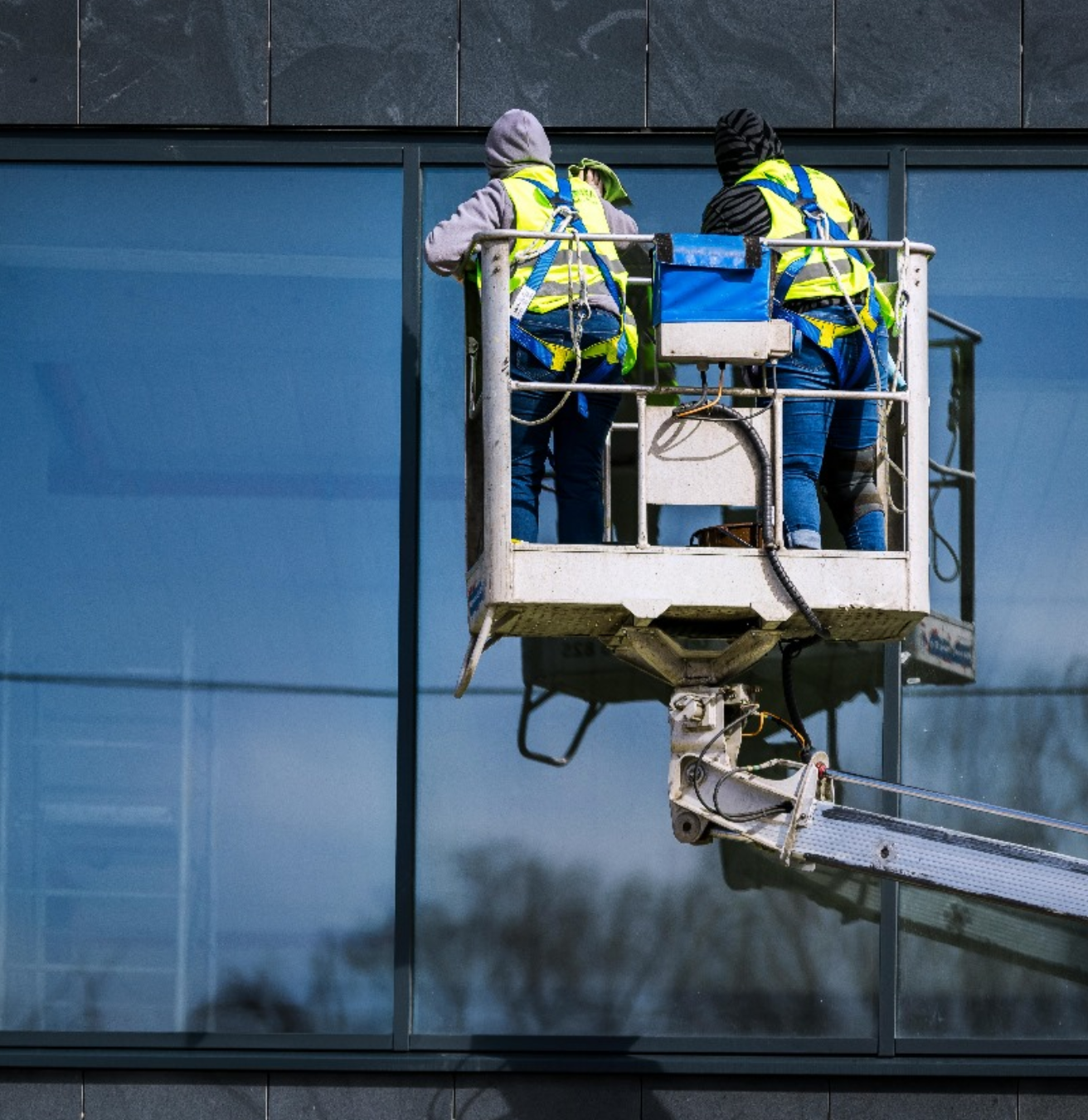
Green City Management Pte Ltd provides periodic facade inspection (PFI) in Singapore, helping building owners and MCSTs meet BCA requirements. Each PFI is led by a Competent Person (a Professional Engineer or Registered Architect), assisted by Facade Inspectors who have completed BCA’s Certificate in Façade Inspection. Our inspections are planned and reported to BCA’s PFI requirements, with safety controls and quality checks on every project. We have completed 15 periodic facade inspections for condominiums, shopping centres and commercial buildings across Singapore.
We arrange all access for work at height, including rope access, boom lifts and scaffolding. Our inspection work is covered by insurance and backed by strict safety controls, including barricading, risk assessments and permit-to-work systems. Our personnel are trained and certified for work-at-height operations.
BCA Periodic Facade Inspection (PFI) Requirements in Singapore
Since 1 January 2022, owners of qualifying buildings in Singapore must have their facades inspected on a fixed cycle under the Building Control Act to identify aging materials early and prevent falling object hazards.
What the Inspection Involves
- A Competent Person (Professional Engineer or Registered Architect) carries out and oversees the inspection.
- Facade Inspectors certified under BCA's Certificate in Façade Inspection assist during checks.
- Every building face undergoes visual inspection, with at least 10% examined at close range.
- Findings are compiled into a formal report submitted to BCA, and recommended repairs must be completed.
What is Exempted
- Detached, semi-detached, terraced, and linked landed houses used solely as residences.
- Temporary structures and single-storey buildings.
- Buildings 13 metres tall or lower.
Note: If BCA issues a notice to an address with multiple blocks, all blocks under that address must be inspected, including shorter structures.
PFI is distinct from Periodic Structural Inspection (PSI). Structural inspections focus on load-bearing elements, whereas PFI covers the outer facade. Compliance with one does not substitute or exempt a building from the other.
Source: BCA Periodic Façade Inspection Guidelines. Please verify official updates before scheduling.
How Our PFI Works: From BCA Notice to Final Report
A Periodic Facade Inspection follows a structured process to ensure full regulatory compliance. Here is what happens at each stage and who manages each step.
-
1
Your Part
Send Us Your BCA Notice
Share your BCA notice and building details with us. We review the submission deadline, verify the total block count, and determine the initial inspection scope.
-
2
Owner & Competent Person
Appoint the Competent Person (CP)
The building owner formally appoints a Competent Person—a qualified Professional Engineer (PE) or Registered Architect (RA)—to direct the inspection. Green City Management works closely alongside the CP throughout the process.
-
3
Your Part
Provide As-Built Architectural Drawings
Providing updated as-built plans helps the Competent Person evaluate facade construction details and structural systems. If drawings are unavailable, notify us early so we can assist in retrieving them.
-
4
Green City Management Team
Plan Access Methods & Safety Protocols
We configure the optimal combination of drone aerial surveys, rope access, boom lifts, or mobile scaffolding tailored to each elevation. Comprehensive Risk Assessments, barricades, and Permit-to-Work (PTW) protocols are finalized before deployment.
-
5
Green City Management Team
Notify Occupants & Stakeholders
Residents, tenants, and building managers are notified of inspection schedules in advance. When drone inspections are involved, notifications comply with BCA drone survey standards (TR 78:2020).
-
6
CP & Green City Management
Inspect Every Building Elevation
100% of visual facade surfaces are evaluated, accompanied by mandatory close-range physical checks on required areas. Defects, surface hairline cracks, and loose elements are logged with high-resolution imagery and mapped coordinates.
-
7
CP & Green City Management
Prepare Detailed Inspection Report
We generate a comprehensive technical report categorizing defect severity levels, risk assessments, priority action items, and clear repair recommendations.
-
8
CP & Green City Management
Submit to BCA & Execute Repairs
The Competent Person submits the finalized report directly to BCA. Green City Management provides end-to-end rectification services, immediate safety securing for urgent hazards, and post-repair certification.
Have You Received a BCA PFI Notice?
Send a copy to our facilities team. We will review your deadlines, assess requirements, and outline a hassle-free inspection plan.
Extensive Experience in Periodic Facade Inspection Projects
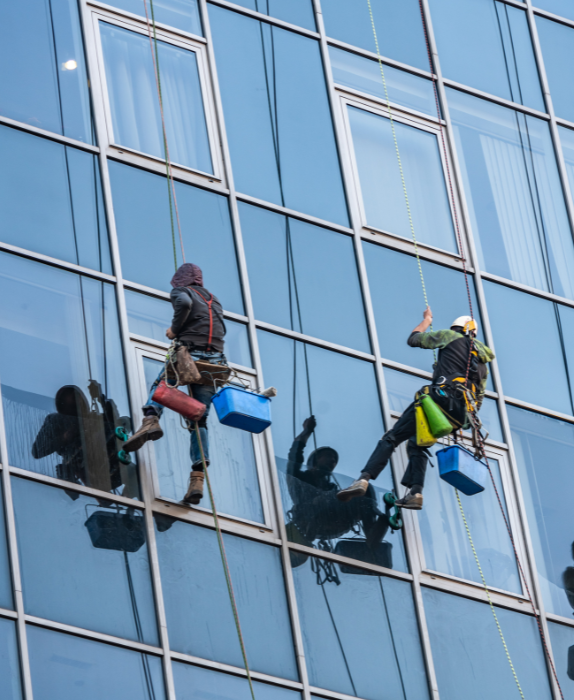
We have extensive experience conducting periodic facade inspections in Singapore for condominiums, shopping centres, high-rise offices, and commercial properties.
Our Facade Inspection Capabilities
- Competent Person (Professional Engineer) and Facade Inspector team
- IRATA-certified rope access technicians
- Boom lift, scaffolding, and other access arrangements
- Drone-assisted visual inspection in line with BCA's TR 78:2020
- Thermographic scanning for hidden defects
- Borescope and metal detector inspection
- Safe removal of cladding or sealant for inspection where required
- Immediate making safe of unsafe facade elements
- Supervision of defect rectification
- PFI report preparation and submission to BCA
Why Choose Us For Facade Inspection Singapore?
Trusted by building owners, MCSTs, and facility managers across Singapore, we deliver BCA-compliant facade inspection services backed by experienced professionals, advanced inspection technology, and a strong commitment to safety.
17 Years of Experience
Over 17 years of delivering professional building and facade inspection services across Singapore.
Qualified Inspection Team
Every inspection is led by a Competent Person and carried out with trained Facade Inspectors.
IRATA Rope Access Specialists
Certified rope access technicians provide safe and efficient close-range inspections for high-rise buildings.
Advanced Inspection Technology
Drone-assisted inspection, boom lifts, scaffolding, thermographic scanning, borescope inspections, and metal detection.
BCA-Compliant Inspection Process
Inspection process aligned with BCA PFI requirements: All inspections follow BCA's PFI guidelines, with safety controls on every project.
Safety Comes First
Comprehensive safety controls including barricading, risk assessments, permit-to-work systems, and full insurance coverage.
Reporting & Rectification Support
Photo-based PFI reports, BCA submission, and repair guidance where needed.
Wide Industry Experience
Experienced with condominiums, shopping centres, office buildings, commercial developments, and high-rise properties throughout Singapore.
Type of Facade we have Inspected Include
- Plastering and paint
- Tiled Facade
- Glass Curtain wall
- Aluminium cladding
- Granite and Marble / Stone Cladding
- Windows, Cladding Fixtures, Awnings
Facade Defects We Look For & How They Are Fixed
Singapore's tropical heat, intense rainfall, and humidity cause building exteriors to deteriorate over time. Below are the most frequent structural defects identified during PFI checks, their risks, and standard remediation methods.
| Defect Type | Why It Matters (Risk Assessment) | Typical Rectification Method |
|---|---|---|
|
Hollow or Cracked Tiles
Fall Hazard
|
Tiles that lose adhesion can detach suddenly from elevation heights, creating severe safety hazards for ground pedestrians. | Hack away affected tile segments, prepare substrate, apply bonding agent, and re-tile or re-lay exterior finishes. |
|
Spalling Concrete
Structural Risk
|
Corroding embedded steel rebar expands, causing concrete pressure buildup that fractures and sheds external concrete chunks. | Chisel out degraded concrete, treat corrosion on steel reinforcement, apply anti-rust primer, and reinstate structural mortar patch. |
|
Failed Sealant Joints
Water Ingress
|
Deteriorated weather sealants create gaps allowing rainwater penetration behind cladding panels and window frames. | Rake out deteriorated sealant, clean joints thoroughly, insert backer rod, and apply weather-rated polyurethane/silicone sealant. |
|
Loose / Corroded Cladding Fixings
High Risk
|
Rusted or loose brackets cause curtain wall panels, aluminium cladding, or louvres to dislodge under wind pressure. | Inspect internal anchors, replace rusted hardware with stainless steel fixings, and reinforce structural support frames. |
|
Water Stains & Seepage
Moisture Leak
|
Persistent dampness causes hidden concrete degradation, indoor mold growth, and paint blistering inside occupied spaces. | Perform thermal/moisture tracing, seal source points, apply waterproofing membrane, and restore surface coat. |
|
Peeling Paint & Plaster Cracks
Surface Defect
|
Cracked plaster allows moisture penetration into deeper wall layers, accelerating structural degradation underneath. | V-groove plaster cracks, apply elastomeric sealant, scrape peeling paint, prime, and repaint with weather-resistant coat. |
Direct Rectification Capability: Repairs follow the Competent Person's recommendations in the final report. Where urgent safety hazards are discovered, Green City Management can immediately implement safety netting, removal, or containment without waiting for external sub-contractors.
Noticed cracks, water marks, or loose tiles on your building facade?
Request a Facade AssessmentWhat Affects Facade Inspection Cost and Duration in Singapore?
No two PFI projects are the same, so we quote each one after reviewing the building. These are the factors that move the price and the schedule.
- Building height and number of blocks
- Taller buildings and larger sites take more time to cover and need more access equipment.
- Number and size of elevations
- More facade area means more surveying and more close-range checks on each face.
- Facade materials
- Tiles, glass curtain walls, stone cladding and painted plaster each call for different checks and tools.
- Access method
- Drone surveys, rope access, boom lifts and scaffolding differ in speed, cost and how much they disturb residents or tenants.
- Availability of drawings
- Missing as-built plans add extra steps before the inspection can begin.
- Weather and site approvals
- Rain, strong wind and permit or access approvals can move inspection dates.
- Repair scope
- Repairs recommended after the inspection are priced separately from the inspection itself.
Get a written estimate
Send us the details below and we will reply with a clear quote for your building.
Request a PFI QuoteWhat to send us
- Your BCA PFI notice, if you have received one
- Building address and number of blocks
- Year of completion and number of storeys
- Main facade materials, if you know them
- As-built drawings, if available
Frequently Asked Questions (FAQ)
What is facade inspection in Singapore?
Is facade inspection required by BCA in Singapore?
The BCA does, in some cases, require routine inspections of the façade to ensure that the buildings are safe and in compliance with the regulations; this is particularly needed for high-rise, commercial, and residential buildings.
Which types of buildings need facade inspection?
Facade inspection is commonly needed for condominiums, office buildings, shopping centres, commercial properties, and other high-rise developments in Singapore.
How often should facade inspection be carried out?
The inspection schedule depends on the building type, age, and BCA requirements. Many property owners arrange periodic inspections to stay compliant and avoid costly repairs later.
Do you provide rope access and drone inspection?
Yes, we provide rope access, drone-assisted inspection, boom lift access, and other methods depending on site conditions and the facade design.
What will be checked during the inspection?
We inspect for cracks, loose cladding, sealant failure, water leakage signs, corrosion, spalling, glass defects, and other issues that may affect facade safety.
Do you provide a report after the inspection?
Yes, we provide a detailed inspection report with findings, defect photos, safety concerns, and recommended rectification work where required.