Upgrading & improvment Work
Building upgrading and improvement refer to structured initiatives designed to enhance, repair, and modernize existing structures, thereby improving safety, functionality, and sustainability while often increasing property value. These programs, particularly common in public housing in Singapore, range from essential repairs to aesthetic and accessibility upgrades.
Key Aspects of Building Upgrading
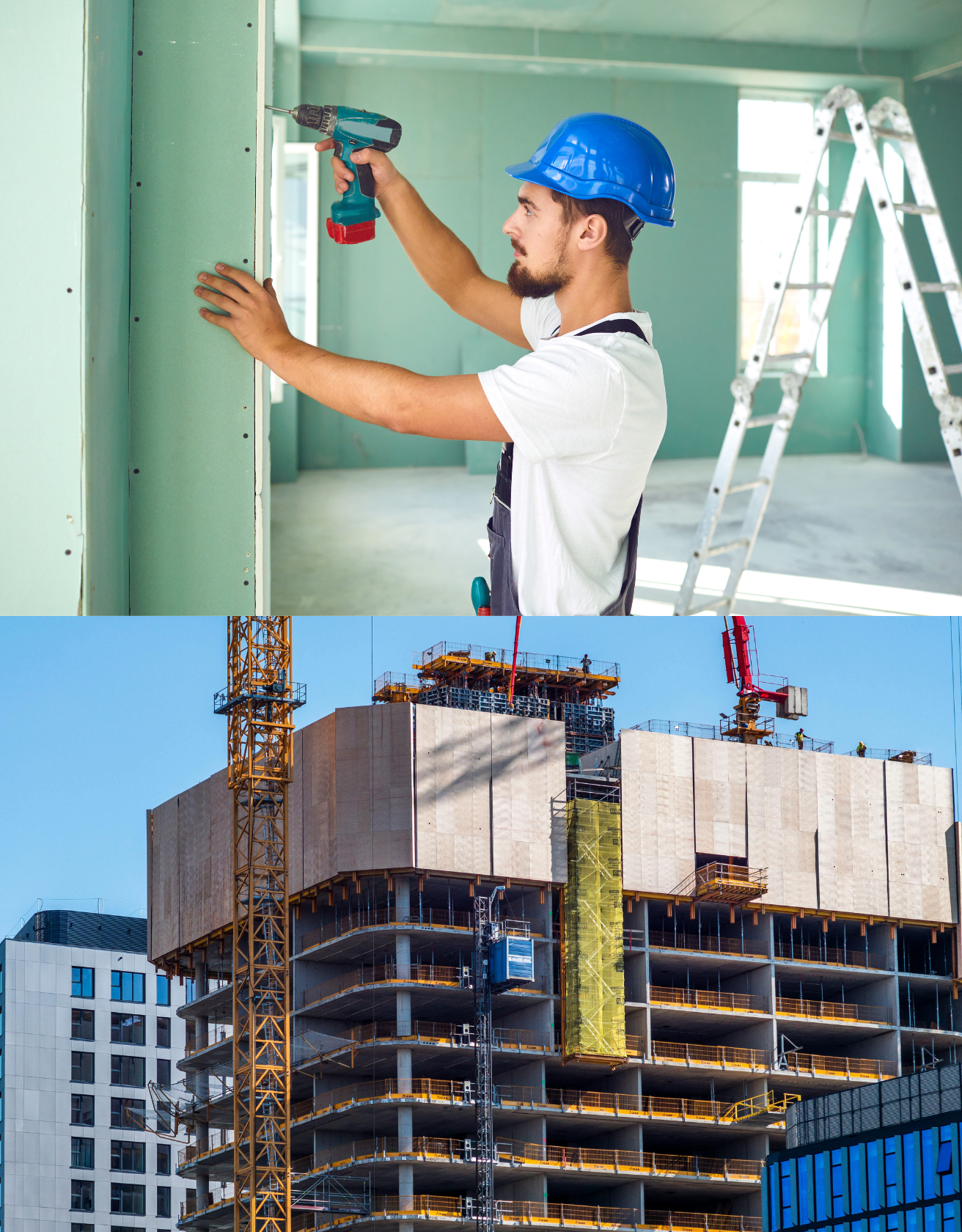
Residential & Commercial building Improvements
Essential Upgrades
Focus on safety and functionality, such as repairing spalling concrete, replacing structural cracks, fixing pipes, and upgrading electrical loads.
Optional Improvements
Resident-selected enhancements like new entrance doors, gates, and toilet upgrades.
Elderly-Friendly Features (EASE)
Installation of grab bars, slip-resistant tiles, and ramps to improve accessibility for seniors.
Estate-Level Upgrades (e.g., NRP)
Neighbourhood Renewal Programmes focus on common areas, enhancing amenities to increase convenience and recreational options for residents.
Commercial & Green Retrofitting
Involves upgrading building façades, improving energy efficiency (e.g., installing Energy Star products), and upgrading HVAC systems to enhance comfort and sustainability. Modern efforts include adopting Building Information Modelling (BIM) for better planning, using eco-friendly materials, and automating building management systems to reduce energy consumption.
Benefits of Upgrading
Enhanced Safety and Functionality
Addresses ageing infrastructure and modernizes facilities.
Increased Property Value
Upgraded buildings are more attractive to buyers and tenants.
Reduced Operating Costs
Energy-efficient retrofits lower utility bills and maintenance expenses.
Improved Quality of Life
Better living environments through improved amenities and accessibility.